

Coaching Services for Insight and Impact
I work with individuals, teams and groups to align purpose, action and impact by exploring meaning-making and identity, not just behaviour. In other words, we explore how your way of seeing the world shapes how you lead and the outcomes you create.
Through coaching and the Leadership Maturity Program, insight is then translated into practice using my Catalyst Coaching Triangle with its three points of attuned awareness, pattern recognition and natural unfolding woven throughout our work together. The result is greater clarity and leadership that can meet complexity and uncertainty with steadiness and wisdom.


My Clients
I work mainly with leaders and professionals navigating moments of transition or growth, including how to leave a lasting legacy. They bring sharp minds and a curiosity for complexity and uncertainty, yet what unites them is a willingness to go beyond surface solutions.
Together, we connect insight with action in service of yourselves, your teams, your families and the wider world.
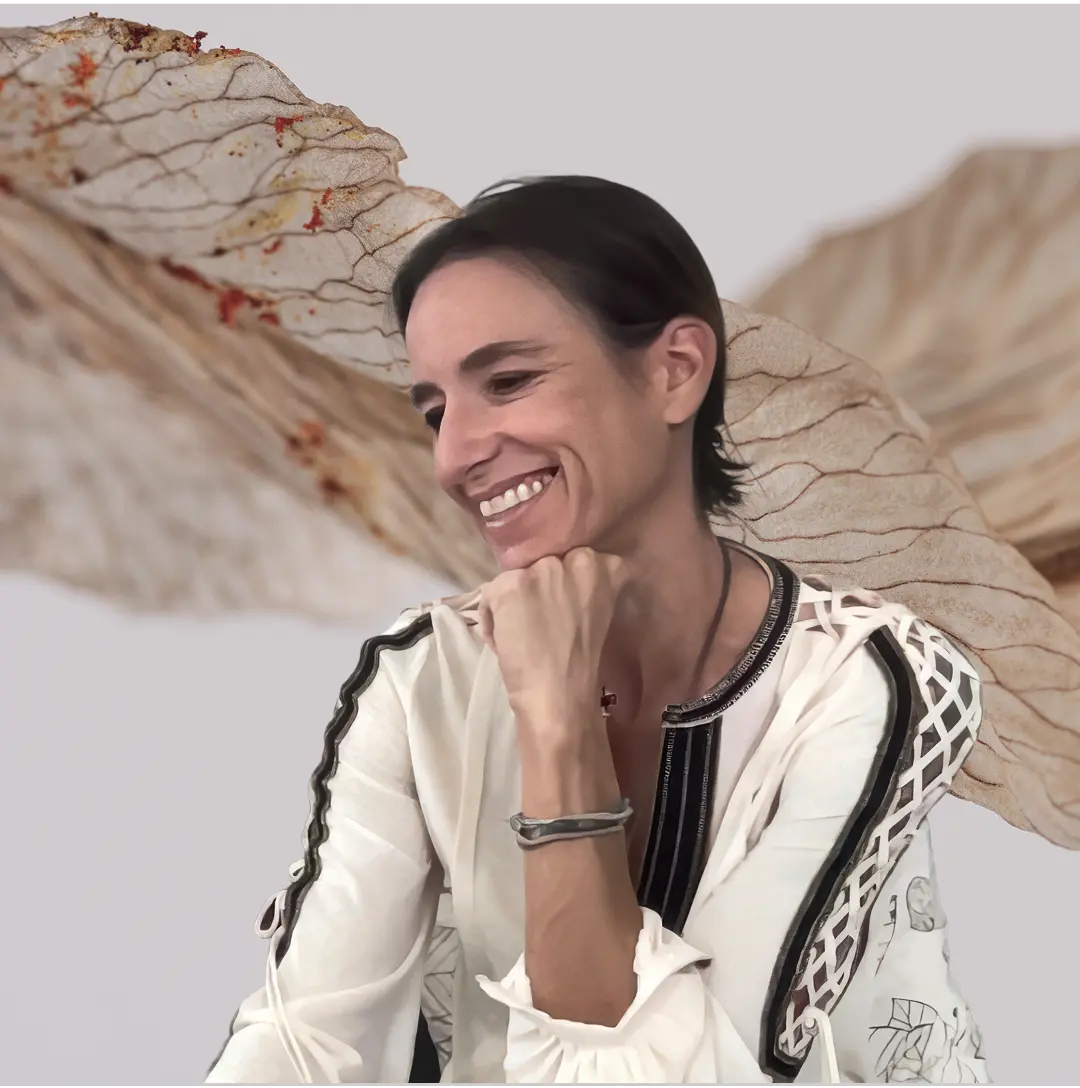
Awareness is the light that shines on the cobweb of habits so you don’t walk into it
My coaching is about cultivating a deeper awareness of how you engage with yourself, others and the wider world. In the space I hold, that is structured and spacious, perspective naturally arises due to the insight, intuiton and relief we both create together.
Here you can slow down, reflect honestly and access deeper forms of knowing including cognitive, emotional and intuitive. With new realisation, wise and effective action follows effortlessly.
Anne Duvaux, Leadership and Executive Coach
All you need to know about my coaching approach
Here are some of the questions people often ask before starting coaching
About my approach
What is Neuroscience Coaching?
Neuroscience coaching is a form of coaching that draws on what we know about how the brain works to make personal and professional change more effective.
Instead of relying only on motivation or willpower, it uses insights from brain science such as how habits are formed, how emotions influence decisions, and how stress affects thinking to shape the way a person learns and grows.
In practice, this means that, as coach trained in neuroscience, I won’t just ask reflective questions, but will I also help someone understand what is happening in their brain when, for example, they feel stuck, overwhelmed, or unable to change a habit.
One simple example: neuroscience shows that new information always passes through the emotional parts of the brain before it reaches logical reasoning. So, when someone says “I know I should think logically about this, but I panic anyway,” neuroscience explains why and I can use this to design exercises that calm the emotional response first, so that logic can kick in more effectively.
The difference with more traditional coaching is that neuroscience coaching is not based only on conversation, goals, and accountability. It also integrates scientific knowledge about attention, memory, stress regulation, and habit change. This helps people move from insight to lasting behavioral shifts, because the approach works with the way the brain actually learns and adapts.
So in simple terms: I use neuroscience coaching to explain why you get stuck and to design brain-savvy practices
What is Vertical Development or Third Generation Coaching?
Vertical development coaching is a form of coaching that focuses less on what leaders know or the skills they add, and more on how they make sense of the world and themselves.
It’s about growing someone’s mental and emotional capacity, their ability to handle complexity, uncertainty, paradox, and multiple perspectives rather than just giving them tools or tactics. In other words, instead of only adding new competencies (horizontal development), vertical development shifts the operating system itself.
For example:
- A leader might initially see challenges in black-and-white terms (early stage).
- Through vertical development, they can learn to hold contradictions, accept nuance, and integrate perspectives (later stage).
- This makes them not only more effective in problem-solving, but also wiser and more grounded in decision-making.
In practice, my vertical development coaching often blends neuroscience, counselling, and frameworks like the Leadership Maturity Framework.
What is Eastern Psychology
Eastern psychology is the study of the mind and human experience as understood in Asian traditions such as Buddhism, Hindu philosophy, Taoism and other contemplative schools. Rather than concentrating mainly on analysing the past or diagnosing symptoms, it emphasises awareness of the present moment, compassion, and practices that reduce attachment to the ego or fixed identity.
A few central ideas:
- Non self (anatta in Buddhism): The “I” we hold on to is considered a mental construct. By loosening our grip on this fixed self, we can suffer less and act with greater wisdom.
- Interconnectedness: People are not seen as isolated individuals but as part of a wider web of relationships, including community and nature.
- Training the mind through practice: Techniques such as meditation, mindfulness, breathwork and yoga are applied not simply for relaxation, but as structured methods to observe the mind, regulate emotions and cultivate qualities such as equanimity (a calm balance) and metta (loving kindness).
- An experiential approach: Instead of theorising, Eastern psychology encourages direct observation of how the mind behaves, how thoughts arise, how emotions move through us, and how habits are formed.
Where Western psychology has historically leaned on classification, analysis and the treatment of disorders, Eastern psychology has focused on cultivating wisdom and reducing suffering through daily practice. Modern approaches often blend the two: for example, mindfulness based therapies are rooted in Buddhist psychology but are researched and applied using Western scientific methods.
Practical questions
What is it like to be coached by you?
You won’t get a formula. But you will get structure. Sessions are spacious but focused. I bring questions that gently disrupt old stories and frameworks that bring clarity without jargon. I follow up with thoughtful summaries and materials to extend the work, articles, models, reflection prompts, all curated for your mind and your moment
What can I expect during the free chemistry session?
The chemistry session is a 30 minute conversation designed to see whether we are a good fit. There is no preparation needed. We will talk about what has brought you to coaching, what you would like to explore, and how I work. You will have the chance to ask me any questions, and I will give you a sense of what a coaching journey with me might look like. The aim is not to solve everything in half an hour, but to give you clarity about whether you feel comfortable working with me.
What happens next?
If we both feel it is the right match, we can agree the best way forward, whether that is a package of sessions or a more flexible arrangement. I will then send you a short written proposal with the details so you have everything clear before making a decision.
Do you specialise in a certain type of client?
My approach often resonates with people who think quickly, process ideas at pace, or enjoy exploring complex questions. They appreciate having a coach who can follow their train of thought while inviting them to pause and see things from new perspectives.
I work mainly with leaders and professionals who are navigating moments of transition or growth. Many of my clients are high performers who feel the weight of imposter thoughts, pressure to prove themselves, or the strain of leading others while trying to stay true to their values. Some are at mid-life or mid-career points, questioning what comes next and how to find more balance.
What they have in common is curiosity and a willingness to go deeper than surface fixes. If you are looking for quick tips, I may not be the right coach for you. If you want to explore how you think, lead and relate in order to create lasting change, then my approach is likely to be a good fit.
How much does it cost?
I offer different coaching packages depending on your needs and the depth of work you want to engage in. Some clients prefer a shorter, focused series of sessions, while others choose a longer journey that allows more space for reflection and change. We will discuss the options after the chemistry session so that you can decide what feels right for you.
Do you coach in English or French?
I coach fluently in both English and French, which are my native languages. Clients are free to choose the language they feel most comfortable in, and in some cases we move naturally between the two during sessions.
Testimonials
Book a 30-minute informal chat.
It is a free, 30-minute “chemistry session” to explore what’s on your mind and what you need. No obligation, just curiosity. After the call, I’ll send a proposal with a suggested structure and costs. There’s no obligation to move forward.